
Your AI Chatbot Isn't Your Therapist (And Why That Matters)
We live in an age of instant answers. Google diagnoses our symptoms in seconds, apps track our moods, and now, AI chatbots offer therapeutic-sounding advice at 2 AM when we can't sleep. It's tempting, convenient, and sometimes even helpful.
But here's what we need to talk about: AI is not therapy.
And the rise of "pop psychology speak"—the oversimplified mental health language flooding our social media feeds—is blurring the lines in ways that could leave people more confused and isolated than ever.
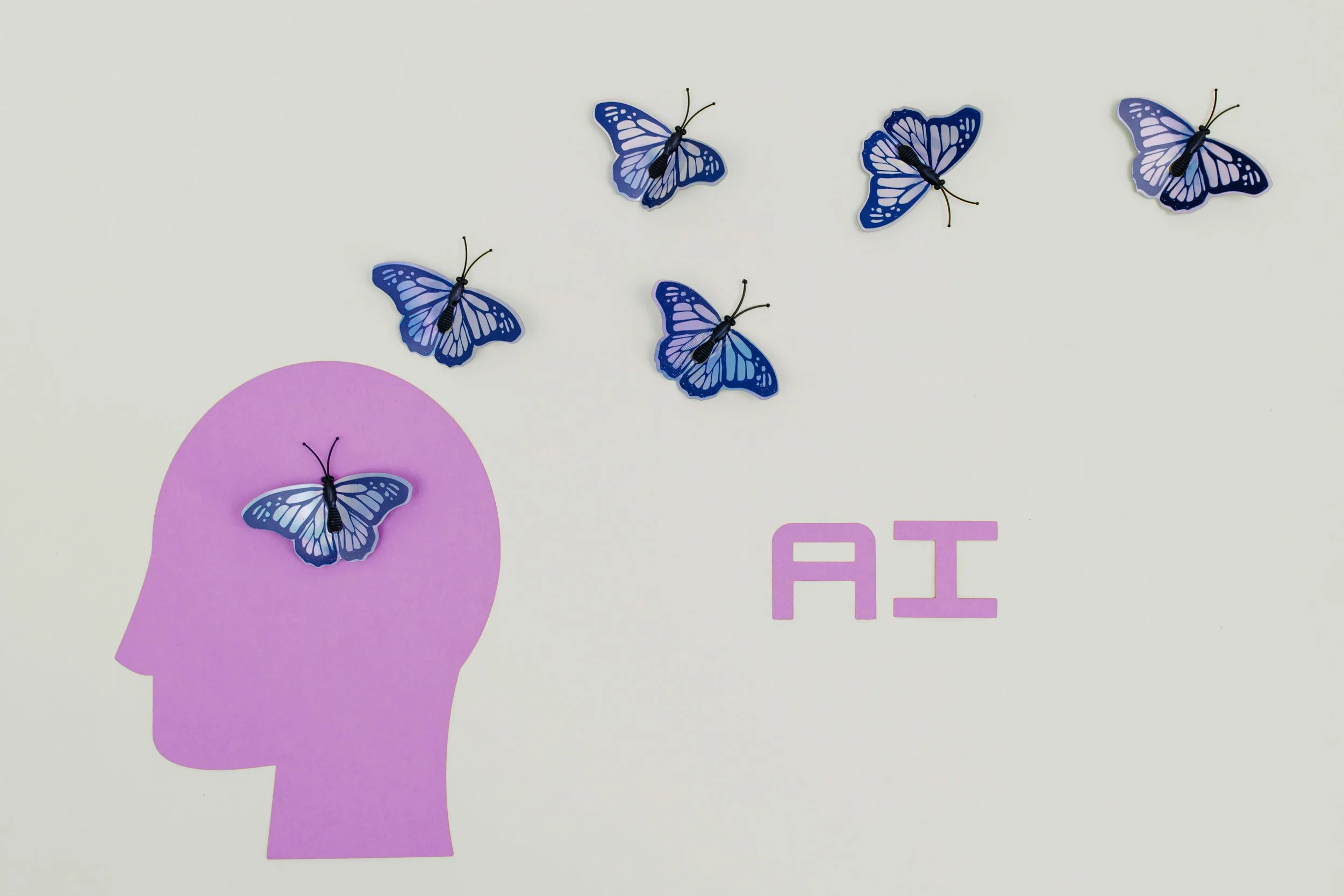
The Rise of Pop Psychology Speak
Scroll through TikTok or Instagram for five minutes, and you'll encounter a flood of mental health content: "5 signs you're trauma bonded," "How to spot a narcissist," "Why you're people-pleasing," "Attachment styles explained in 60 seconds."
Some of this content is genuinely educational. Some of it is oversimplified to the point of being harmful. And much of it encourages self-diagnosis based on checklists and buzzwords rather than nuanced, individualized understanding.
Pop psychology gives us the language to talk about our struggles—and that's valuable. It normalizes therapy, reduces stigma, and helps people recognize patterns they might not have had words for before.
But it also teaches us to pathologize normal human experiences, label everyone around us, and believe we can "fix" ourselves with a few affirmations and boundary-setting scripts.
Understanding psychological concepts is not the same as doing the work of therapy.
Enter AI: The Always-Available "Therapist"
Now add AI chatbots to the mix. They're available 24/7, they don't judge, they never get tired, and they cost nothing. They can reflect your feelings back to you, offer coping strategies, and even help you reframe negative thoughts.
Sounds great, right?
Here's the problem: AI doesn't understand you. It recognizes patterns in language, not the depth and complexity of your lived experience.
An AI can tell you that what you're feeling sounds like anxiety. It can suggest breathing exercises or journaling prompts. It might even say something that feels validating in the moment.
But it can't:
Sit with you in the discomfort of not having an easy answer
Notice the subtle shift in your tone that signals something deeper
Challenge you in ways that feel uncomfortable but necessary for growth
Hold the complexity of your contradictions without needing to resolve them
Recognize when you're in crisis and need immediate, human intervention
Build a relationship with you over time that creates safety for vulnerability
AI is a tool. Therapy is a relationship.
What Real Therapy Offers That AI Can't
Therapy isn't just about getting advice or learning coping skills—though those things can be part of it. Therapy is about being truly seen and known by another person who is trained to help you understand yourself more deeply.
Here's what happens in real therapy that AI simply cannot replicate:
1. Presence
A therapist is present with you—not just listening to your words, but noticing your body language, your pauses, the emotions that surface when you talk about certain topics. Presence is a deeply human experience that creates safety and connection.
2. Attunement
Good therapists attune to you over time. They learn your patterns, your defenses, your strengths. They know when to push and when to hold back. They notice when something feels off, even if you can't articulate it yet.
3. The Relationship Itself Is Healing
For many people, therapy is the first place they've experienced unconditional positive regard—being accepted fully, without judgment, even in their messiest moments. That experience of being witnessed and accepted is transformative in ways that information alone can never be.
4. Complexity and Nuance
Human beings are contradictory, complex, and ever-changing. A good therapist holds space for that complexity without needing to simplify it or resolve it prematurely. AI, by design, wants to solve problems and provide answers. But sometimes the most healing thing is to sit with questions.
5. Accountability and Growth
A therapist will gently (or not so gently) call you out when you're stuck in patterns that aren't serving you. They'll challenge your narratives, ask hard questions, and hold you accountable to the changes you say you want to make. AI will validate you. Therapy will help you grow.
So Where Does AI Fit In?
This isn't an anti-technology rant. AI tools, mental health apps, and online resources can be incredibly useful—especially for people who don't yet have access to therapy, are on a waitlist, or need support between sessions.
AI can be a bridge, but it shouldn't be the destination.
Use it to:
Track your moods and notice patterns
Practice coping skills you've learned in therapy
Get immediate support in moments of distress (while you work on getting to a therapist)
Learn about mental health concepts and vocabulary
But don't mistake it for the real thing.
Therapy Is Worth the Investment
Yes, therapy costs money. Yes, it requires showing up consistently. Yes, it can be uncomfortable and slow and sometimes frustrating.
But here's what it offers that no app, chatbot, or Instagram infographic ever will:
A trained professional who sees you, knows you, challenges you, and walks alongside you as you do the hard, messy, beautiful work of becoming more fully yourself.
Pop psychology can give you language. AI can give you information. But only therapy can give you the relationship, depth, and growth that real healing requires.
If you're ready to move beyond quick fixes and pop psychology soundbites, we're here. Real therapy. Real connection. Real growth.
Contact Mood and Motion Therapy today.
